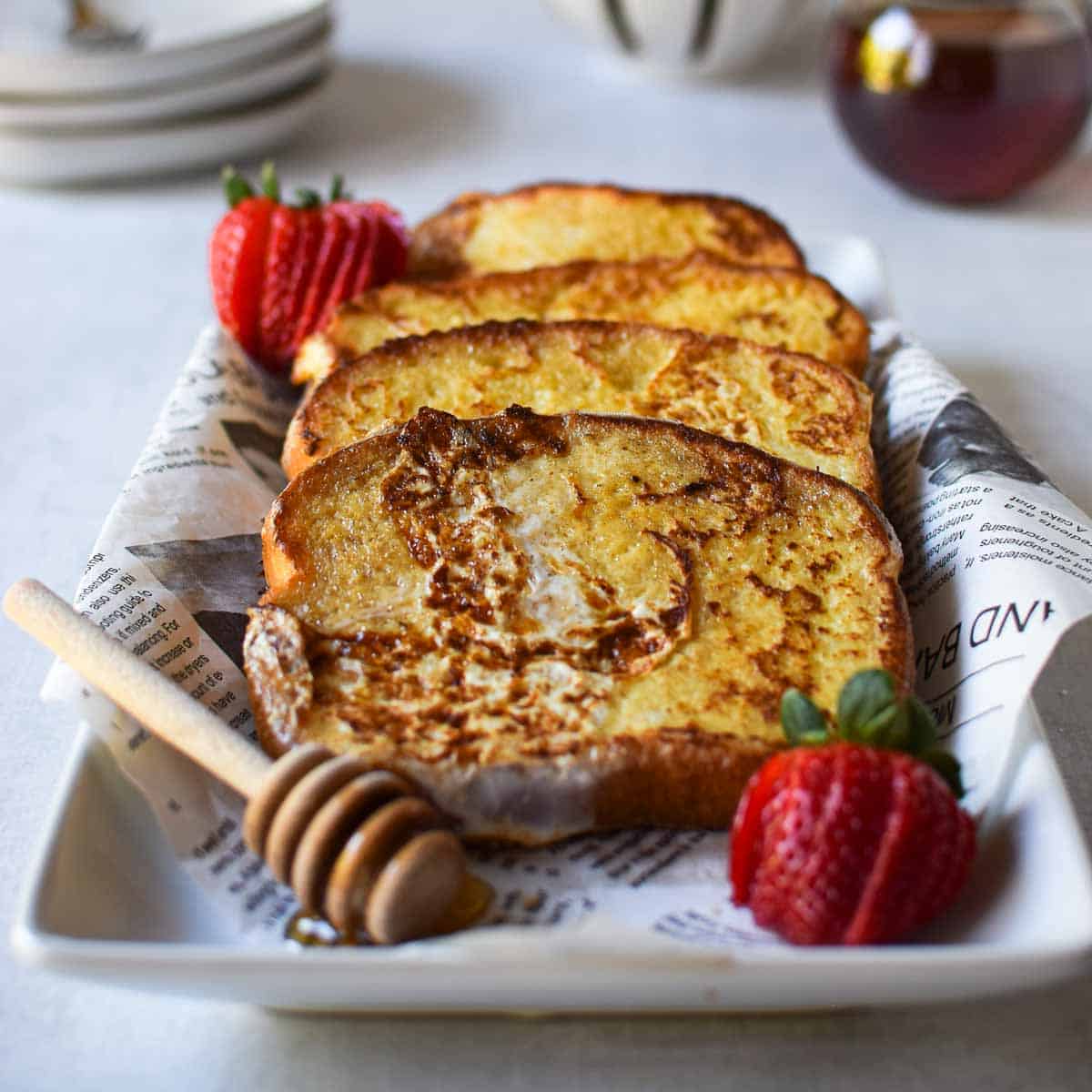
That familiar dilemma: you buy a large carton of buttermilk for one specific recipe – perhaps a batch of fluffy biscuits, a rich cake, or a tender fried chicken marinade – and suddenly, you're left with a substantial amount languishing in the back of your refrigerator. Don't let that precious, tangy liquid go to waste! Instead, transform your brunch game with a simple yet revolutionary swap: buttermilk French toast. Prepare to discover a breakfast so tender, so subtly tangy, and so utterly delicious, you'll wonder why you ever made French toast any other way.
Most home cooks already know the magic buttermilk works in pancakes and waffles, creating an irresistible fluffiness and depth of flavor. So, it stands to reason that this dairy wonder can elevate other breakfast staples. Indeed, making French toast with buttermilk instead of regular milk isn't just a clever way to use up leftovers; it's a genuine upgrade that brings a new level of richness, tenderness, and a delightful, complex flavor profile to your plate.
The Secret Ingredient: Why Buttermilk Transforms French Toast
What exactly is it about buttermilk that makes such a significant difference? It's not just a simple souring agent; it's a culinary powerhouse with unique properties that perfectly complement the art of French toast making. Forget bland, soggy slices – buttermilk is here to revolutionize your weekend brunch.
A Tangy Twist, Not Just Sweetness
One of the most immediate benefits of buttermilk is its distinctive tangy flavor. While traditional French toast often relies heavily on sugar for sweetness, buttermilk introduces a gentle acidity that balances the richness of the eggs and bread. This subtle tang prevents the dish from becoming overly sweet or cloying, instead offering a sophisticated, well-rounded taste experience. The lactic acid in buttermilk also plays a crucial role in enhancing the browning process. As the bread hits the hot griddle, this acidity interacts with the sugars and proteins, leading to those coveted, lightly caramelized edges that add both visual appeal and a delightful textural contrast.
Unparalleled Tenderness and Texture
Beyond flavor, buttermilk excels at improving texture. It’s naturally thicker than regular milk, which means it "clings" to the bread slices more effectively, creating a better coating for a more consistent soak. This viscosity helps ensure every inch of your bread is infused with the custardy mixture. Crucially, the acidity of the buttermilk also works wonders on the bread itself. It gently breaks down the bread's starches and proteins, leading to an incredibly tender, custardy center. Unlike French toast made with regular milk, which can sometimes turn out eggy or even soggy if not prepared carefully, buttermilk helps achieve that perfect, silky, melt-in-your-mouth interior while maintaining the bread's structure. It's a textural dream: a lightly crisp, caramelized exterior yielding to a soft, custardy heart.
Crafting Your Perfect Buttermilk French Toast: Tips & Tricks
While the concept of buttermilk French toast is beautifully simple, a few key considerations will ensure your results are nothing short of spectacular.
Choosing Your Bread Wisely
The foundation of any great French toast is the bread, and buttermilk French toast is no exception. While you technically can use any bread, certain types truly shine:
- Brioche: This rich, buttery, and slightly sweet bread is often considered the gold standard for French toast. Its high butter and egg content makes it incredibly absorbent yet sturdy, preventing it from falling apart while soaking up the buttermilk custard.
- Challah: Similar to brioche, challah is an egg-rich bread with a beautiful braided structure. It offers a slightly denser crumb that holds up exceptionally well to soaking and cooking.
- Texas Toast: Thick-cut white bread is a classic for a reason. Its generous slices provide ample interior for that custardy texture.
- Sourdough: For those who love a more pronounced tang, sourdough can be an adventurous and delicious choice. Its robust structure can handle the soak, and its inherent sourness beautifully complements the buttermilk.
Pro Tip: Regardless of your choice, day-old bread is almost always preferred. Slightly stale bread has lost some moisture, allowing it to soak up the custard more efficiently without becoming soggy. Aim for slices that are about ¾ to 1 inch thick – substantial enough to create a delightful custardy interior without being too unwieldy.
The Ideal Custard Ratio and Infusion
The buttermilk custard is where the magic happens. Here's how to perfect it:
- Eggs and Buttermilk: A good starting ratio is typically 2-3 eggs per cup of buttermilk. This ensures a rich, custardy texture without being overly eggy.
- Sweetness and Balance: While buttermilk adds complexity, a touch of sugar (granulated works well) is still important for flavor and to aid in browning. Don't forget a pinch of salt – it's crucial for balancing the sweetness and enhancing all the other flavors.
- Flavor Boosters: Vanilla extract is non-negotiable for classic French toast flavor. Cinnamon is a popular addition, but don't stop there! Consider a dash of nutmeg, a pinch of cardamom, or even a tiny amount of orange or lemon zest for a bright, aromatic lift.
Preparation Tip: Whisk all your custard ingredients together in a shallow dish (like a pie plate or a baking pan). This makes dipping the bread incredibly easy and ensures even coating.
Cooking to Golden Perfection
The cooking stage is where your buttermilk french toast transforms from soaked bread to a golden-brown masterpiece. Precision is key:
- Medium Heat: Preheat your griddle or non-stick pan over medium heat. Too low, and the toast will absorb too much fat and dry out; too high, and it will burn on the outside before the inside is cooked.
- Butter or Oil: A generous pat of butter or a swirl of neutral oil (like canola or grapeseed) ensures a beautiful crust and prevents sticking.
- Don't Overcrowd: Cook French toast in batches, giving each slice enough space to cook evenly and allowing you to flip them easily. Overcrowding drops the pan temperature and can lead to steaming rather than searing.
- The Flip: Cook for 2-4 minutes per side, or until golden brown, puffed slightly, and cooked through in the center. The caramelization from the sugar and buttermilk should be evident.
Buttermilk Beyond Baking: A No-Waste Brunch Solution
Let's be honest: that dreaded half-empty carton of buttermilk is a common kitchen conundrum. Whether your local supermarket only carries quart-sized containers or you simply overestimated your needs for a particular recipe, finding a delicious way to use up leftover buttermilk is a game-changer for reducing food waste. This tender, custardy French toast recipe is the ultimate solution.
It's incredibly easy to make, often requiring just one bowl for the custard mixture, and utilizes ingredients you likely already have on hand. It's an ingredient swap so simple, yet so impactful, that it turns a potential waste item into the star of an impressive brunch. Not only is it a practical solution, but it also opens up a world of flavor exploration. The inherent tang of the buttermilk makes it highly adaptable to various flavor profiles, from warm spices to bright citrus, allowing you to customize your French toast to suit any palate.
Elevate Your Brunch: Serving Suggestions and Pairings
Once your buttermilk french toast is cooked to perfection, the fun doesn't stop there. The right toppings and accompaniments can turn a simple breakfast into an unforgettable brunch experience.
- Classic Sweet Toppings: A dusting of powdered sugar and a generous drizzle of warm pure maple syrup are timeless for a reason. Fresh berries (strawberries, blueberries, raspberries) add a burst of color and natural sweetness, while sliced bananas are always a crowd-pleaser. For extra indulgence, add a dollop of freshly whipped cream.
- Gourmet Additions: Elevate your toast with homemade fruit compotes (berry, peach, or apple-cinnamon), a drizzle of chocolate sauce, a spoonful of lemon curd, or even toasted nuts like pecans or walnuts for crunch. A dollop of mascarpone cheese can add a creamy, slightly tangy element that pairs beautifully.
- Savory Twists (for the adventurous): While most prefer sweet French toast, some enjoy a savory counterpoint. Consider serving alongside crispy bacon or sausage, or even with a fried egg and a sprinkle of chives for a hearty breakfast plate.
- Beverage Pairings: Complement your meal with a classic cup of coffee, a mimosa, freshly squeezed orange juice, or a comforting spiced chai tea.
Say goodbye to neglected buttermilk and hello to your new favorite brunch. This recipe isn't just about using up leftovers; it's about discovering a superior buttermilk french toast that boasts a richness, tang, and tenderness unmatched by its traditional counterpart. It's easy enough for a casual Sunday morning at home, yet impressive enough to wow guests at your next brunch party. So go ahead, grab that buttermilk, whisk up a simple custard, and get ready to enjoy the most tender, custardy French toast with lightly crisp, caramelized edges and a subtle, delightful tang. You may never go back to regular milk again!
