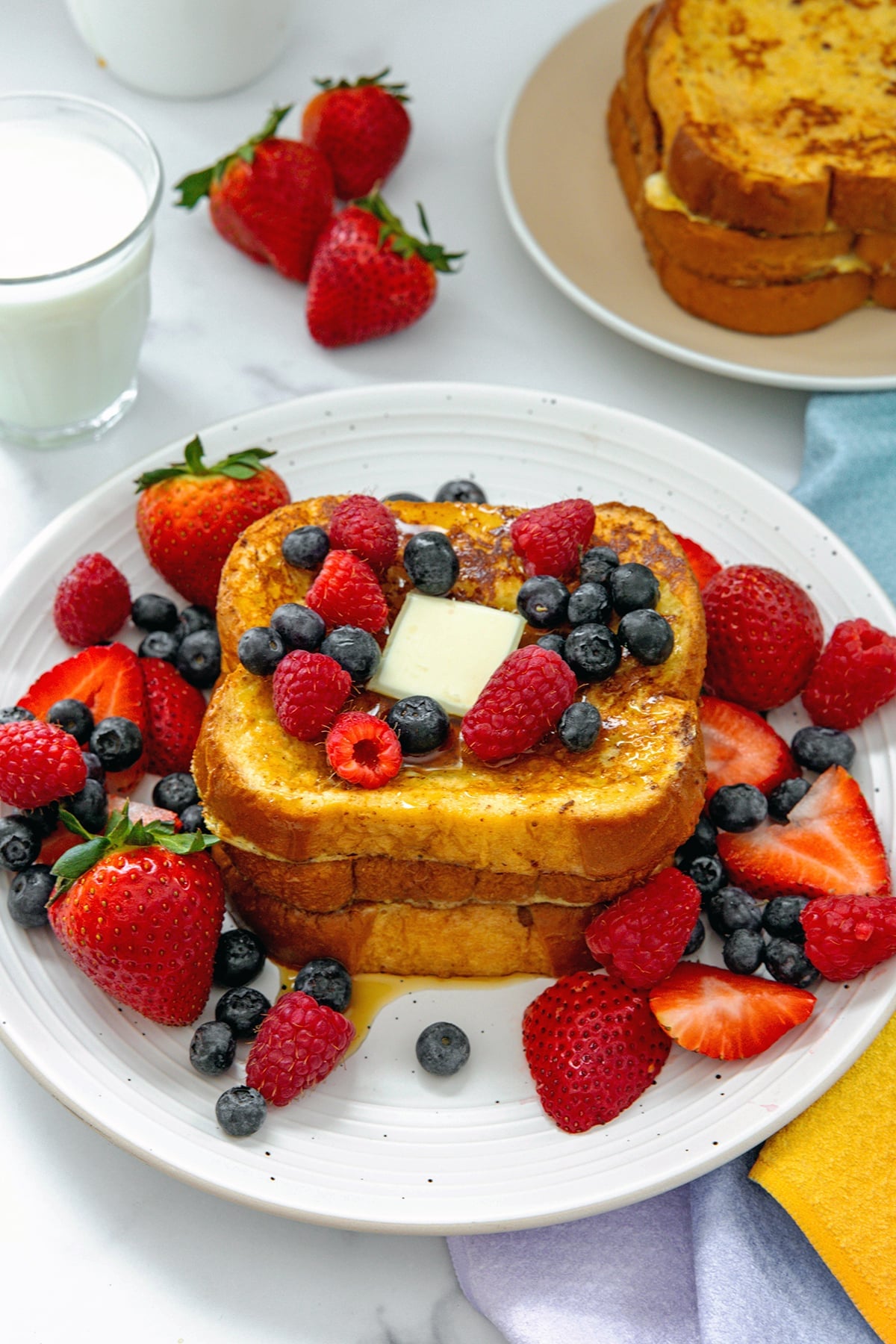
Buttermilk French Toast: Why It's Your New Brunch Favorite
Imagine a breakfast dish that’s rich, yet perfectly balanced; tender to the point of melting in your mouth, but with delightfully crisp, caramelized edges. A dish that feels gourmet and impressive, yet is surprisingly simple to create in your own kitchen. If this sounds like your ideal brunch, then prepare to meet your new obsession: buttermilk French toast. Far from a mere twist on a classic, the addition of tangy buttermilk transforms humble French toast into an extraordinary culinary experience that promises to elevate your weekend mornings and impress any guest.
For too long, buttermilk has been relegated primarily to pancakes, biscuits, and fried chicken. But what if we told you that this versatile ingredient holds the secret to the most delicious, custardy French toast you’ve ever tasted? It’s a game-changer, offering a depth of flavor and an unparalleled texture that regular milk simply can't achieve. Once you try it, you’ll understand why this isn't just French toast; it's a revelation.
The Secret Ingredient: Unlocking Buttermilk's Magic
Buttermilk is more than just fermented milk; it's a culinary powerhouse. Traditionally, it was the liquid left over after churning butter. Today, most buttermilk is cultured, meaning beneficial bacteria are added to pasteurized milk (typically low-fat) to ferment it, resulting in its characteristic tang and thicker consistency. It’s these unique properties that make it an absolute star in French toast, distinguishing it in several crucial ways:
- Unrivaled Tang and Depth: Buttermilk brings a gentle acidity to the custard base. This isn't an overpowering sourness, but rather a subtle tang that beautifully cuts through the richness of the eggs and bread. It creates a complex flavor profile that prevents the French toast from being overly sweet or cloying, achieving a perfect balance that's truly addictive.
- Superior Cling and Coating: Buttermilk is naturally thicker than regular milk. This viscosity means it adheres better to the bread, creating a more substantial coating that results in a richer, more flavorful crust and a more satisfying bite. It "grabs hold" to the bread in a way that regular milk simply can't.
- Incredible Tenderizing Power: Perhaps the most transformative effect of buttermilk is its ability to tenderize. The acidity in buttermilk works its magic on the bread, helping to break down its structure slightly. This ensures that the interior of your buttermilk French toast becomes incredibly custardy and tender, without ever venturing into soggy or overly "eggy" territory. You get that desired silky-smooth center with a delicate chew, a texture that is simply unattainable with standard milk.
These attributes combine to create a French toast that is simultaneously rich and light, deeply flavored, and exquisitely textured. It’s the subtle difference that makes all the difference, transforming a breakfast staple into a gourmet delight.
Beyond the Basics: Elevating Your French Toast Experience
While buttermilk is undoubtedly the star, crafting truly exceptional buttermilk French toast involves a few other key elements that enhance its magic.
The Perfect Canvas: Choosing Your Bread
While you *can* make French toast with almost any bread, the choice of loaf significantly impacts the final result. For buttermilk French toast, a rich, sturdy bread is paramount:
- Brioche: The Gold Standard: With its high butter and egg content, brioche is the undisputed champion for French toast. Its naturally rich flavor and slightly sweet profile complement the buttermilk beautifully. More importantly, its dense, slightly spongy texture allows it to soak up the thick buttermilk custard without falling apart, ensuring a custardy interior and crispy exterior.
- Challah: A Close Second: Similar to brioche, challah bread offers a rich, slightly sweet flavor and a dense crumb that holds up exceptionally well to soaking. It's an excellent alternative if brioche isn't readily available.
- Thick-Cut White or Sourdough: For a more accessible option, a good quality, thick-cut white bread or even day-old sourdough can work. Just ensure the slices are substantial enough (at least 3/4 to 1 inch thick) to absorb the custard without becoming flimsy. Day-old bread is often preferred as it's slightly drier and absorbs the custard more effectively, preventing a soggy result.
Crafting the Custard Concoction
Beyond the buttermilk, a few simple additions complete the custard:
- Eggs: The binding agent that creates the "eggy bread" texture. Whisk them well to ensure a smooth, homogenous custard.
- Sugar: A touch of granulated sugar in the custard mixture serves a dual purpose. It adds sweetness to balance the tang of the buttermilk, and crucially, it aids in caramelization, helping to create those desirable golden-brown, lightly crisp edges when the bread hits the griddle.
- Spices and Flavorings: Don't forget the classics! A generous splash of pure vanilla extract and a hint of cinnamon are essential for that warm, comforting French toast aroma and flavor. For extra depth, consider a pinch of nutmeg or cardamom.
- A Pinch of Salt: This seemingly minor ingredient is vital for balancing the flavors, enhancing the sweetness and the tang without making the dish taste salty.
The key is to combine these ingredients thoroughly in a shallow dish, creating a smooth, inviting bath for your chosen bread.
A Solution to a Common Kitchen Dilemma: The Leftover Buttermilk Savior
Let’s be honest: who hasn't bought a quart of buttermilk for a single recipe, only to find the forgotten carton lurking in the back of the fridge weeks later, a sad casualty of good intentions? It's a common kitchen dilemma. Buttermilk French toast offers a delicious and practical solution to this all-too-frequent predicament.
Instead of letting that precious buttermilk go to waste, simply swap it in for regular milk or cream in your French toast recipe. It's a straightforward exchange that yields extraordinary results, making it the ultimate no-waste breakfast. This means you can indulge in your favorite pancakes, biscuits, or fried chicken recipe, knowing that the leftover buttermilk has a delicious destiny waiting for it. It's not just a bonus; it’s a compelling reason to keep buttermilk on hand!
If you frequently find yourself with extra buttermilk and love the idea of turning it into something spectacular, you'll definitely want to check out this resource:
Leftover Buttermilk? Make This Easy, Tender French Toast Recipe.
Making it Your Own: Customization and Serving Suggestions
One of the joys of French toast is its versatility, and buttermilk French toast is no exception. While divine on its own, it truly shines with thoughtful toppings and accompaniments.
Endless Topping Possibilities:
- Classic Syrups: A drizzle of warm maple syrup is always a winner. Experiment with fruit syrups like berry or peach for a seasonal twist.
- Fresh Fruit: Berries (strawberries, blueberries, raspberries), sliced bananas, peaches, or grilled pineapple add freshness, color, and natural sweetness.
- Creamy Delights: A dollop of whipped cream, crème fraîche, or even a scoop of vanilla ice cream can elevate the experience to dessert-like levels.
- Crunch and Texture: Toasted nuts (pecans, walnuts, slivered almonds), granola, or a sprinkle of powdered sugar add delightful texture and visual appeal.
- Chocolate Indulgence: Chocolate chips (mini or regular) melted into the warm French toast, or a drizzle of chocolate sauce, can satisfy any sweet tooth.
Beyond Vanilla and Cinnamon:
Don't be afraid to experiment with other spices in your custard! A pinch of freshly grated nutmeg, a touch of cardamom, or a hint of orange zest can add intriguing layers of flavor to your buttermilk French toast. You can even infuse the buttermilk with a vanilla bean for an even more intense vanilla flavor.
Whether you're hosting a leisurely brunch party or simply treating your family to a special weekend breakfast, buttermilk French toast is an effortlessly impressive dish. Its ease of preparation combined with its sophisticated flavor profile makes it a standout. For more inspiration on how to make this brunch upgrade, explore
Buttermilk French Toast: The Rich, Tangy & Easy Brunch Upgrade.
In conclusion, buttermilk French toast isn't just another breakfast option; it's a revelation. Its rich, custardy texture, balanced tang, and perfectly caramelized edges offer an experience far superior to its traditional counterpart. It's simple to make, utilizes often-leftover ingredients, and provides an impressive dish for any occasion. So, next time you're planning brunch, ditch the regular milk and reach for that carton of buttermilk. You'll quickly discover why this tender, tangy, and utterly delicious creation is destined to become your new brunch favorite.