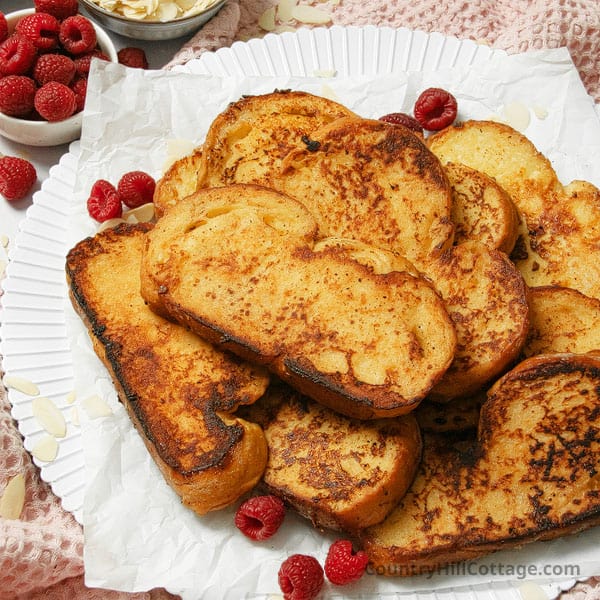
Buttermilk French Toast: Your Ultimate Brunch Upgrade Awaits
Imagine a breakfast dish that’s rich without being overly sweet, incredibly tender yet holds its form, and boasts perfectly caramelized edges with a silky, custardy center. This isn't a culinary dream; it's the reality of
buttermilk French toast, a simple ingredient swap that transforms an everyday classic into an extraordinary experience. If you’ve ever found yourself wondering how to elevate your weekend brunch or make the most of that leftover carton of buttermilk in your fridge, you’re about to discover your new favorite recipe.
While regular French toast certainly has its place, the addition of buttermilk takes it to a whole new level of deliciousness. It’s a secret ingredient that lends complexity, depth, and an irresistible texture that will have you saying goodbye to traditional milk-based versions forever. Get ready to impress your family and guests, or simply treat yourself to a gourmet start to your day.
Why Buttermilk is the Secret Ingredient for Superior French Toast
The magic of buttermilk in French toast isn't just a culinary myth; it's rooted in science and taste. This often-overlooked ingredient brings a powerful combination of attributes that fundamentally improves the dish.
The Magic of Tang and Cling
Unlike regular milk, buttermilk is thicker and possesses a gentle acidity. This unique composition works wonders for your French toast batter.
*
Superior Cling: Its viscosity allows the batter to "grab hold" of the bread slices more effectively. This means each piece gets a more substantial coating, leading to a richer final product.
*
Subtle Tang: The mild acidity of buttermilk introduces a delicate tang that beautifully balances the sweetness of the dish. This prevents the French toast from becoming cloyingly sweet, creating a more sophisticated and satisfying flavor profile. It's this unique balance that makes each bite feel both indulgent and refreshing, making
Buttermilk French Toast: Why It's Your New Brunch Favorite for many.
Unlocking Unrivaled Tenderness
One of the most remarkable benefits of buttermilk is its tenderizing ability. The acidity in buttermilk interacts with the bread, especially denser varieties like brioche. It helps to break down the starches slightly, resulting in an incredibly custardy interior without making the bread soggy or overly eggy. This gives your French toast that desirable melt-in-your-mouth texture that is often elusive with regular milk. You get a perfect contrast between the lightly crisp exterior and the soft, yielding core.
The Caramelization Bonus
While buttermilk itself doesn't directly cause caramelization, its interaction with other ingredients enhances the process. When granulated sugar is mixed into the buttermilk-egg custard, it not only adds sweetness but also plays a crucial role in kick-starting the browning process as the bread hits the hot griddle or pan. This collaboration results in those coveted golden-brown, lightly caramelized edges that add another layer of texture and flavor to your buttermilk French toast.
The Best Bread for Buttermilk French Toast (and other options)
The foundation of any great French toast is the bread, and when paired with buttermilk, some varieties truly shine.
Why Brioche Reigns Supreme
For the ultimate
buttermilk French toast experience, brioche is often considered the gold standard. Here's why:
*
High Butter and Egg Content: Brioche is inherently rich, containing a high amount of butter and eggs. This natural richness complements the buttermilk beautifully.
*
Structure and Absorbency: Despite its softness, brioche holds its structure exceptionally well when soaked in the buttermilk mixture. Its open crumb acts like a sponge, allowing it to soak up the custard without falling apart, ensuring a truly custardy center.
*
Subtle Sweetness: Brioche has a slight natural sweetness that harmonizes perfectly with the tang of the buttermilk, creating a balanced and delightful flavor.
Other Excellent Bread Choices
While brioche is fantastic, don't feel limited. Other breads can also make outstanding buttermilk French toast:
*
Challah: Similar to brioche in richness and texture, challah is another excellent choice for a sturdy, absorbent, and delicious French toast.
*
Sourdough: For those who love an extra layer of tang, sourdough bread can be a surprisingly good option. Its robust flavor stands up well to the buttermilk, creating a complex and intriguing profile.
*
Day-Old Bread: Regardless of the type, slightly stale or day-old bread is ideal. It’s firmer, preventing it from becoming overly soggy, and ready to soak up all that buttermilk goodness.
*
Texas Toast: Thick-cut bread like Texas toast offers a substantial, satisfying French toast with a generous amount of soft interior.
More Than Just Taste: Practical Perks
Beyond its superior flavor and texture, buttermilk French toast offers practical advantages that make it a favorite for home cooks.
An Easy & Impressive Brunch Solution
French toast, in general, is one of the easiest breakfast entrées to prepare, often simpler than pancakes or waffles. The beauty of buttermilk French toast is that this simple ingredient swap elevates it to an impressive dish that looks and tastes like it took far more effort than it did. Whether you're hosting a sophisticated brunch party or simply making a special breakfast for your family on a slow Sunday morning, it delivers "wow" factor with minimal fuss. Most of the ingredients needed are likely already in your pantry and fridge.
The Buttermilk Leftover Lifesaver
Raise your hand if you’ve ever bought a whole quart of buttermilk for a recipe that only called for a tiny amount, only to find the rest languishing in the back of your fridge weeks later! This is where
buttermilk French toast truly shines as a hero in the kitchen. It’s an ideal, delicious, and incredibly satisfying way to use up that leftover buttermilk, transforming a potential waste product into a culinary triumph. If you've got extra buttermilk on hand, don't let it go to waste –
Leftover Buttermilk? Make This Easy, Tender French Toast Recipe and solve your problem deliciously!
Customization: Your Flavor Canvas
While the buttermilk is undoubtedly the star, the rest of your French toast is a blank canvas for customization.
*
Spices: A dash of cinnamon, a pinch of nutmeg, or a hint of cardamom can add warmth and depth.
*
Extracts: Pure vanilla extract is a must, but feel free to experiment with almond or even a touch of orange extract for a different dimension.
*
Citrus Zest: A little lemon or orange zest in the custard can brighten the flavors beautifully.
*
Toppings Galore: From classic maple syrup and fresh berries to whipped cream, powdered sugar, chocolate chips, candied nuts, or even a savory twist with bacon and a fried egg – the possibilities are endless.
Crafting Your Perfect Buttermilk French Toast: Tips & Tricks
Achieving that perfect golden-brown, custardy perfection isn't difficult, but a few key tips can ensure outstanding results every time.
The Ideal Custard Consistency
The balance of eggs and buttermilk is crucial. Too many eggs and it becomes "eggy"; too much liquid and it won't cling. A good ratio typically involves a few eggs per cup of buttermilk. Don't forget a pinch of salt to balance the sweetness, and liberal amounts of pure vanilla extract. Whisk everything thoroughly until smooth, ensuring the sugar is fully dissolved. A shallow dish or pie plate works best for soaking.
Don't Skimp on the Soak (But Don't Oversaturate)
Soaking time is vital. You want the bread to absorb enough of the buttermilk custard to create that tender, custardy center, but not so much that it becomes soggy and falls apart.
* For brioche or challah, a quick dip (15-30 seconds per side) is often sufficient, especially if your bread is relatively fresh.
* For denser or day-old bread, you might let it soak for up to a minute per side.
* The goal is for the bread to feel heavy and fully saturated but still hold its shape when lifted.
Griddle vs. Pan: Achieving Perfection
Whether you use a griddle or a large non-stick skillet, consistency in heat is key.
*
Medium Heat: Preheat your cooking surface to medium heat. If it’s too hot, the outside will burn before the inside cooks through. If it’s too low, the French toast will dry out and not achieve that beautiful caramelization.
*
Butter or Oil: Use a little butter, oil, or a combination of both for cooking. Butter adds flavor and aids browning, while a touch of oil helps prevent burning.
*
Golden-Brown Perfection: Cook for 2-4 minutes per side, or until each piece is golden-brown and lightly crisp on the outside, and the center is cooked through and custardy.
Conclusion
Buttermilk French toast isn't just a recipe; it's an experience. It’s a testament to how a single, thoughtful ingredient swap can transform a familiar dish into something truly extraordinary. With its rich, tangy flavor, unparalleled tenderness, and perfectly caramelized edges, it delivers a brunch upgrade that's both easy to prepare and incredibly impressive. Whether you're looking to elevate your weekend mornings, reduce food waste by using up leftover buttermilk, or simply indulge in a superior breakfast, buttermilk French toast is a culinary revelation you won't want to miss. So, grab that buttermilk, your favorite bread, and get ready to enjoy the best French toast you’ve ever tasted!